 E Paper
ISLAMABAD (Urdu Times) Relief in the “people-friendly budget” on the instructions of the Prime Minister.

Share
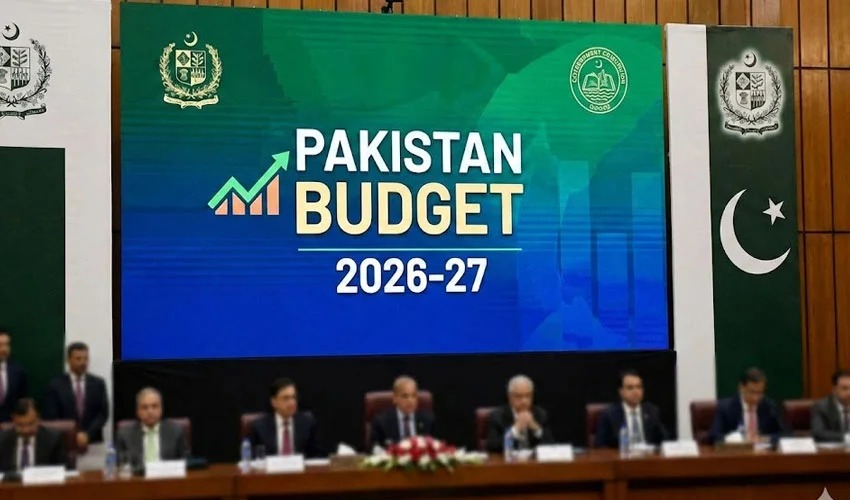
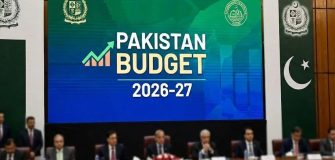
ISLAMABAD (Urdu Times) On the instructions of Prime Minister Shehbaz Sharif, all possible measures are being included in the federal budget for the upcoming fiscal year 2026-27 to provide relief to the people. The government has released the schedule of the federal budget for the fiscal year 2026-27, according to which the federal budget will be presented in the National Assembly on June 10.
The budget will announce the fiscal priorities, economic policies, and government strategy for the new fiscal year. According to the schedule, the Pakistan Economic Survey will be released on June 9, which will present a detailed review of the overall performance of the national economy, the development of various sectors, economic indicators, and the results of government policies during the current fiscal year. In the federal budget, the government will present details of its income, expenditure, development projects, and financial management before the parliament. Due to the conditions of the IMF, providing real relief has become a tough test for the government. On the one hand, economic stability is being claimed; on the other hand, the common man is under severe pressure due to the inflation rate reaching 11.66% in 2026.
The details of the new hopes and proposals for relief in the “People-Friendly Budget” are as follows:
Tax relief for the salaried class;
Tax exemption limit: A proposal to provide complete exemption from income tax to salaried employees with an income of up to Rs 80,000 per month is under consideration. Reduction in tax syllabus: Consultation is being held on reducing the tax rate for the middle class earning Rs 12 lakh to 22 lakh per year.
Increase in salaries and allowances:
Proposals have been prepared for a 10% increase in the salaries of government employees and a 100% increase in the conveyance allowance of employees from Grades 1 to 19.
Pension reforms: An annual proposal to provide relief to pensioners is being made part of the budget, keeping in mind the inflation rate.
Big increase in development budget (PSDP): The government has increased the federal development budget for the next financial year. It has been proposed to keep the budget at Rs 1,126 billion, which is Rs 289 billion more than last year.
Infrastructure and Employment: The largest amount of this amount (Rs 730 billion) will be spent on infrastructure, transport, water, and energy projects to create new employment opportunities for the common man.
Incentives for agriculture, industry, and IT: According to the Prime Minister, the country’s economy will be put on a sustainable footing by giving incentives to the industry, agriculture, and information technology sectors.IT Exports: It is hoped to maintain the existing concessional tax slabs for IT freelancers and companies so that the youth can earn maximum foreign exchange.
Obstacles to hopes of relief;
Burden of new taxes: Along with claims of relief, the government is also preparing to impose new taxes worth over Rs 220 billion under pressure from the IMF.
Possible increase in GST: According to economists, the general sales tax will be increased from 18 percent to 19 percent. There is talk of increasing the percentage, which may further increase inflation.
The biggest expectations and hopes of the public in the budget for the financial year 2026-27 are related to a reduction in inflation, provision of employment opportunities, an increase in salaries and pensions, and relief in taxes on food items and electricity.
The following economic priorities are being demanded by the public:
Ending inflation: The main demand of the public is that the prices of daily necessities should be controlled so that the purchasing power of the common man improves. Tax relief and petroleum levy: Instead of capitalists and elites, relief should be provided in tax slabs to the lower and middle classes, and the levy on petroleum products should be reduced so that transport and other items are cheaper.
Increase in salaries and pensions: Keeping in mind the current rate of inflation, there are strong hopes for a suitable increase in the salaries of government employees and pensioners’ pensions so that they can manage the household budget.
Employment and business. The budget documents will also determine the use of resources, development priorities, and economic targets for the next financial year. Various measures related to taxes, subsidies, and public relief are expected in the budget. The government will also present its priorities and roadmap to ensure fiscal discipline and advance development projects. The federal government will hold the budget session of the National Assembly for the next financial year on Wednesday, June 10, at 5 pm. The summary of the National Assembly and Senate meetings has been sent for the budget session. The Prime Minister has summoned a meeting of the National Economic Council on June 8. The Prime Minister will chair the NEC meeting. Federal ministers and chief ministers of the four provinces will attend the meeting. The Prime Minister of Azad Kashmir and the Chief Minister of GB will attend the meeting. The National Economic Council will approve the development budget for the next year, 2026-27. Details of the development program of the Power Division have been revealed in the budget for the next financial year 2026-27, according to which a total of Rs 91 billion has been proposed to be allocated for 48 projects. According to the budget documents, it is proposed to allocate Rs 86 billion for 45 ongoing development projects, while only Rs 4 billion is allocated for 3 new projects. The documents recommend keeping funds for several projects to expand the national grid system and improve the power transmission system. The plan is to allocate Rs 700 million for the 500 KV Lahore North Grid Station project, while Rs 3 billion is proposed for the upgrade of NTDC’s transmission system. It is proposed to allocate Rs 10.8 billion for the withdrawal of electricity generated from the Dasu Hydropower Project, while Rs 3 billion is recommended for the transmission lines of the Suki Kinari Hydropower Project. Similarly, it is proposed to spend Rs 3.9 billion on the transmission system to include electricity from Mohmand Dam in the national grid. According to the documents, Rs 3 billion has been recommended for the improvement of MEPCO’s power distribution system, while Rs 2.41 billion has been recommended for the upgrade of the power transmission system. The budget also proposes to allocate more than Rs 9.32 billion for the construction of the Islamabad West Grid Station. In addition, it has been proposed to allocate Rs 2.91 billion for improving the electricity distribution system in 10 districts of Sindh, while a plan to spend more than Rs 3 billion on the installation of power consumption devices to monitor and improve electricity consumption is also included. According to the budget documents, projects related to electricity transmission, distribution, and stability of the national grid have been given priority in the next financial year. According to the budget documents, the Ministry of IT has proposed a development budget of Rs 71.84 billion. 12 ongoing and 8 new projects of the ministry have been included in the government sector development program. According to the documents, it has been proposed to allocate Rs 32.13 billion for the ongoing projects of the Ministry of IT, while Rs 39.71 billion is allocated for new projects. The IT Ministry has sought funds of Rs 37.79 billion for its 5 projects, while Rs 24.39 billion has been proposed for 7 ongoing projects of the Pakistan Software Export Board. The Islamabad IT Park project is 72 percent complete, for which an allocation of Rs 6.73 billion has been requested in the next fiscal year. Rs 11.5 million has been proposed in the Public Sector Development Program for the Karachi IT Park project. Rs 1.802 billion has been proposed for the promotion of the startup and venture ecosystem, while more than Rs 1 billion has been sought for the National Semiconductor Human Resource Development Program. The Special Communication Organization has proposed Rs 2.67 billion for its 4 projects. A new project worth Rs 2.50 billion has also been proposed for the improvement of telecommunication services in remote areas. The National Information Technology Board has sought funds of Rs 743 million for three projects, while Ignite has sought Rs 3 billion for a new project, and the National Information Technology Security Board has sought Rs 3.24 billion. Pakistan is among the countries in the world that are most affected by the effects of climate change; however, the proposed federal budget for the upcoming fiscal year 2026-27 has proposed to allocate only Rs 2.78 billion to address this important challenge. According to the budget documents, the Climate Change Division has not presented any new development plan in the new fiscal year, while the proposed funds will be spent on three already ongoing projects. According to the documents, only Rs 35 billion is estimated to be spent on these three ongoing projects costing Rs 123.51 billion by June 30, 2026, while a proposal has been made to allocate Rs 2.78 billion for the same projects for the upcoming fiscal year as well.Under the proposed budget, Rs 2.497 billion will be spent on the Green Pakistan Program, while about Rs 290 million is proposed to be allocated for increasing the technical capacity of the ministry. Only Rs 1.6 million has been recommended for the Green Skills Project under the Sustainable Development Goals.
Due to climate change, the country is facing serious problems such as abnormal monsoon rains, risks of glacial lake outbursts, severe heat waves, forest fires, and loss of life and property. According to the report, more than 1,000 precious lives were lost due to floods last year. The government had also prepared a 245-day plan to deal with the monsoon with the cooperation of the provinces and announced the installation of an early warning system; however, several measures are still delayed. Despite Pakistan being among the countries most affected by climate change, no new plan to deal with climate change has been included in the new federal budget, while nominal funds have been allocated for three ongoing projects. Details of the development projects of the Climate Change Division for the next financial year have been revealed, under which only Rs 2.78 billion has been allocated, which will be spent on already ongoing projects. According to the document, the total cost of the ongoing projects of the Climate Change Division is Rs 123.51 billion, of which barely Rs 35 billion is expected to be spent by June 30, 2026. Last year, Rs 2.30 billion was allocated for this sector; however, there has been no significant increase in funding this year either. It has been proposed to allocate Rs 2.49 billion for the Green Pakistan Program, while the total cost of this project is Rs 122.14 billion. According to the document, more than Rs 290 million has been allocated for enhancing the technical capacity of the Ministry of Climate Change, while only Rs 1.6 million has been allocated for the Green Skills project under the Sustainable Development Goals. Pakistan faces floods, heat waves, and other natural disasters every year, yet comprehensive planning and new investments for environmental protection have not been forthcoming. It may be recalled that more than 1,000 people lost their lives during the floods last year; however, according to experts, the implementation of the Early Warning System and Monsoon Plan is facing delays. According to the budget documents, a total of Rs 77 billion has been proposed for the education sector during the next financial year. It is proposed to allocate Rs 41.19 billion for the Higher Education Commission, which is only Rs 1.71 billion more than the current financial year. On the other hand, the Federal Ministry of Education and Professional Training has been proposed to receive Rs 36 billion for development projects. According to the documents, it is proposed to allocate Rs 4.6 billion for Danish schools in Azad Kashmir, Gilgit-Baltistan, Chitral, and Sindh under the Federal Ministry of Education in the next financial year. It is proposed to keep Rs 3.29 billion for the Prime Minister’s Youth Skill Development Program and Rs 3 billion for the Pakistan Education Endowment Fund. In addition, Rs 2.61 billion for the Skill Development Program will also be part of the Public Sector Development Program. According to the budget documents, it is proposed to allocate only Rs 300 million as a token amount for 3 new projects of the Higher Education Commission, while more than Rs 41 billion will be spent on 135 ongoing projects of the commission. The 2 new projects of the Federal Ministry of Education include digital learning and rollout of matriculation tech projects, for which it is proposed to allocate Rs 600 million and Rs 600 million, respectively. The Ministry of Education will spend Rs 34.8 billion on its 31 ongoing development projects, while overall, ongoing projects have been given more priority than new projects in the education sector. According to the PSDP 2026-27 documents, only Rs 4.82 billion has been proposed for the ongoing development projects of the Ministry of Housing and Works, while the same amount was Rs 13.44 billion in the current fiscal year. Thus, a reduction of more than Rs 8.62 billion has been proposed in development funds.
The shortage of housing units across the country has exceeded one crore, while at least 1 million new houses are required annually; however, the possibilities of reducing the crisis have become further limited due to limited funding.
According to the documents, the total cost of the ongoing projects of the Ministry of Housing is more than Rs 40 billion, while there are fears that the pace of many projects will be affected due to low funds. On the other hand, an allocation of about Rs 1.98 billion has been recommended for the Green Line BRT project in Karachi, which is the largest allocation among all the projects. Similarly, more than Rs 1.10 billion has been proposed for the improvement of roads, water supply, sewerage, and parks in Orangi Town, Nazimabad, and Liaquatabad. It has also been recommended to allocate crores of rupees for infrastructure and water supply projects in Hyderabad and Mirpurkhas divisions to improve urban amenities. Moreover, a proposal of more than Rs 680 million for the construction of two major bridges over the Siren River in Mansehra is also part of the development program.
In the federal budget 2026-27, 5 new development projects of the Higher Education Commission and the Federal Ministry of Education and Professional Training have been included in the government sector development program. According to the budget documents, a total of Rs 77 billion has been proposed for the education sector during the next financial year. It is proposed to allocate Rs 41.19 billion for the Higher Education Commission, which is only Rs 1.71 billion more than the current fiscal year. On the other hand, the Federal Ministry of Education and Professional Training has been proposed to get Rs 36 billion for development projects. According to the documents, it is proposed to allocate Rs 4.60 billion for Danish schools in Azad Kashmir, Gilgit-Baltistan, Chitral, and Sindh under the Federal Ministry of Education in the next fiscal year. It is proposed to keep Rs 3.29 billion for the Prime Minister’s Youth Skill Development Program and Rs 3 billion for the Pakistan Education Endowment Fund. In addition, Rs 2.61 billion for the Skill Development Program will also be part of the Public Sector Development Program. According to the budget documents, it is proposed to allocate only Rs 300 million as a token amount for 3 new projects of the Higher Education Commission, while more than Rs 41 billion will be spent on 135 ongoing projects of the commission. The two new projects of the Federal Ministry of Education include digital learning and the rollout of Matriculation Tech projects, for which it has been proposed to allocate Rs 600 million each. The Ministry of Education will spend Rs 34.8 billion on its 31 ongoing development projects, while overall, ongoing projects have been given more priority than new projects in the education sector. According to the documents, Rs 86 billion has been proposed for ongoing projects, while more than Rs 4 billion has been proposed for new projects. Several projects to expand the National Grid System and improve the power transmission and distribution system are also part of the development program. Rs 700 million has been proposed for the 500 KV Lahore North Grid Station project, while Rs 3 billion has been recommended for NTDC Transmission System Upgradation. According to the document, it is proposed to allocate Rs 10 billion 80 crore for the Dasu Hydropower Project, while Rs 3 billion has been proposed for the transmission line of the Sukhi Kinari Hydropower Project, and Rs 3 billion 90 crore has been recommended for the project to transmit electricity generated from the Mohmand Dam to the national grid. It is proposed to allocate Rs 3 billion for the improvement of the distribution system of the Multan Electric Power Company, while Rs 2 billion 41 crore has been recommended for the upgrade of the electricity transmission system. A proposal has been made to allocate more than Rs 9.32 billion for the construction of the Islamabad West Grid Station, while Rs 2.91 billion has been recommended for the improvement of the power distribution system in 10 districts of Sindh, and more than Rs 3 billion for the installation of power consumption devices. The federal government has decided to gradually eliminate provincial projects in the PSDP of the next financial year, 2026-27. The Sindh and Khyber Pakhtunkhwa governments have expressed serious reservations about the federal government’s new strategy, saying the federal government is facing serious difficulties in convincing the provinces and settling matters with the IMF. The federal development budget is Rs 1,126 billion, while the development budget of the provinces has reached Rs 3,118 billion. Under the new strategy, only Rs 100 billion has been allocated for provincial projects. According to the documents, out of 786 total projects of Khyber Pakhtunkhwa, Rs1.2 billion has been allocated for only 6 projects, while Rs8.6 billion has been separately allocated for the construction of roads in the province. Khyber Pakhtunkhwa is afraid that its share in the PSDP will end in the coming years. On the other hand, the IMF has demanded that Pakistan collect Rs15,264 billion in taxes in the next fiscal year, while the provinces have also been given the task of collecting additional revenue of Rs430 billion. The government has been asked to achieve a primary surplus of 2 percent of GDP, i.e., Rs2,900 billion. According to the Ministry of Finance, negotiations are underway with the IMF on increasing tax collections and reducing expenses. According to the official document, the growth rate of the agricultural sector in the current fiscal year was 2.9 percent, despite a decrease in cultivable area of 3.6 percent; production improved. The overall production of major crops increased by 0.6 percent. Wheat cultivation area increased by 4.4%, production by 4.3% to 29.6 million tons, rice production increased by 2.8% during the financial year 2025-26.
Sugarcane production increased by 6.2%, production was recorded at 89.4 million tons, and maize production decreased by 2.7%; cultivation area remained the same as last year. Cotton production decreased by 0.5%, and the cultivation area also decreased by 1.5%. Other crops grew by 2.4%, gram production increased by a record 50.4%, potato production increased by 27.6%, mango production by 11.6%, and banana production by 30.8%. Turmeric production increased by 25.1% while chilli production increased by 9.2%, cotton ginning and miscellaneous agricultural sectors grew by only 0.1%. According to the document, the number of donkeys, horses, mules, and other animals increased in the current fiscal year. The growth rate of the livestock sector in the fiscal year 2025-26 was 3.8%. The number of donkeys reached 6.16 million, an annual increase of 1.9%. The number of mules increased by 1.8% to 221,000, and the number of horses increased by 0.8%, reaching 386,000. The number of buffaloes in the country during the current fiscal year exceeded 49.1 million, an annual increase of 3%. The number of cows reached 61.96 million, an annual increase of 3.8%. The number of goats increased from 91.8 million, an annual increase of 2.7%. The number of sheep increased by 1.2% to more than 33.5 million. The number of camels increased by 1.4 percent, and the total number reached 1.193 thousand. The fisheries sector recorded a growth of 1.7 percent in the current fiscal year. The Pakistan Institute of Development Economics (PIDE) has made important recommendations regarding the determination of the minimum monthly wage or salary in the budget for the new fiscal year 2026-27. PIDE has proposed to increase the minimum monthly wage from Rs 40,000 to Rs 45,000 for the fiscal year 2026-27, which is equivalent to an increase of 12.5 percent over the current minimum wage. The institute, while proposing a transparent and scientifically based system for determining the minimum wage, has said that wages are directly related to poverty, inflation, and the purchasing power of the people. According to the recommendations, the minimum monthly wage in Sindh has been proposed to be fixed at Rs 46,000, in Punjab and Khyber Pakhtunkhwa at Rs 45,000, and in Balochistan at Rs 45,500. PYED, while recommending a phased implementation of the minimum wage, has said that the implementation of the minimum wage should be made mandatory in government contracts and outsourced services. According to the organization, the implementation of the minimum wage law is a major challenge as more than 80 percent of employment in Pakistan is in the informal sector. PYED has also suggested that all provinces issue annual reports on the implementation of the minimum wage so that monitoring and effective review of the system can be possible. According to the report, the proposed framework has been sent to the Planning Commission for consideration. PYED says that the minimum wage system should not be limited to just an annual announcement but must be linked to an effective governance, monitoring and implementation system.