 E Paper
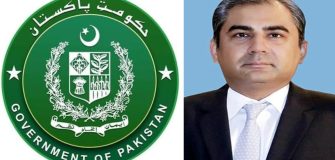
ISLAMABAD (Urdu Times) Mohsin Naqvi: A Man of Action and Dynamic Leader with clear Vision, Wisdom, and Strategy to Make Pakistan Strong and Prosperous

Share
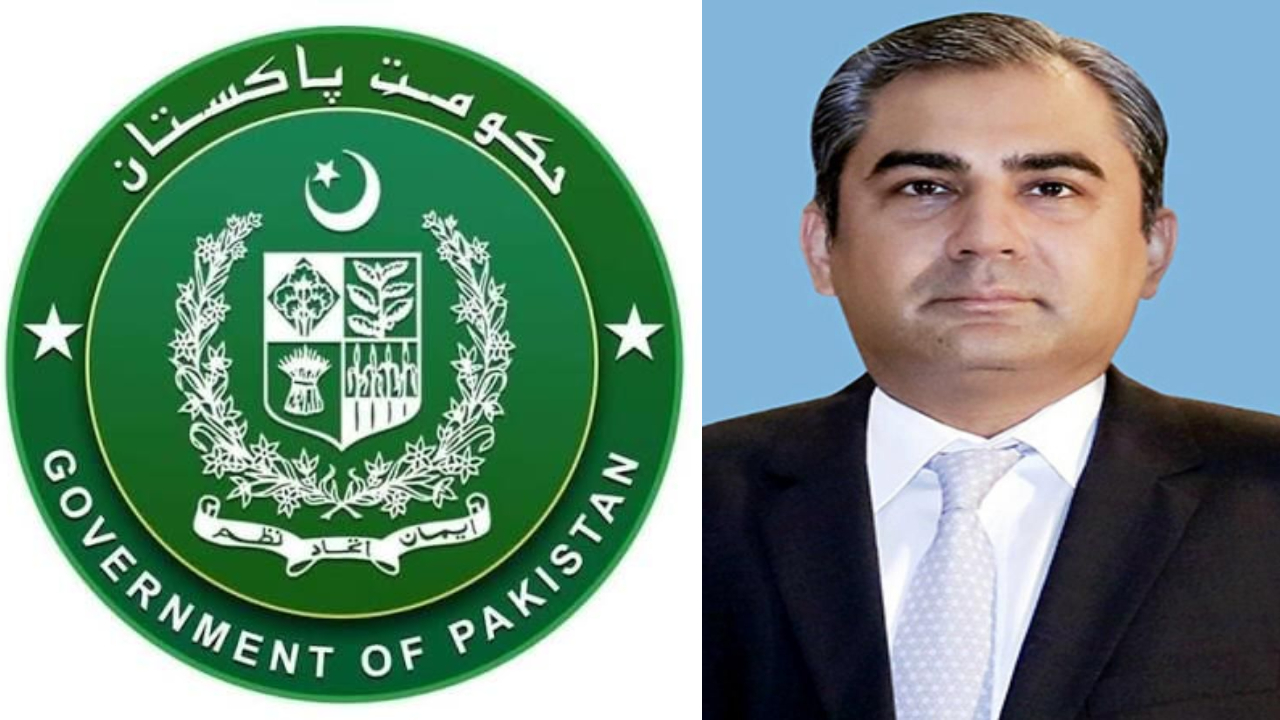
ISLAMABAD (Urdu Times) Leadership is not measured merely by the authority one holds but by the ability to inspire confidence, take timely decisions, solve complex challenges, and translate vision into meaningful action. Great leaders possess the courage to act, the wisdom to make balanced decisions, and the foresight to prepare their nations for future challenges. In contemporary Pakistan, Mohsin Naqvi is regarded as a dynamic leader and an energetic administrator whose leadership philosophy is rooted in decisive action, strategic planning, institutional strengthening, and an unwavering commitment to public service. As a leader, he believes that Pakistan’s future depends upon strong governance, national unity, economic progress, and the empowerment of its people especially youth.
Mohsin Naqvi’s leadership is often associated with the principle that actions speak louder than words. Rather than allowing bureaucratic delays or administrative complexities to impede progress, he is widely perceived a man of action as preferring practical solutions, rapid implementation, and continuous monitoring of public initiatives. His administrative approach reflects the belief that effective governance requires discipline, accountability, coordination, and measurable results. This action oriented style has earned him the reputation, among supporters, of being a leader who remains focused on achieving objectives instead of merely making promises.
At the heart of Mohsin Naqvi’s vision lies the aspiration to build a Pakistan that is strong, secure, prosperous, stable, and respected across the world. He believes that national strength is built not only through economic growth and security but also through justice, transparency, merit, efficient institutions, and equal opportunities for every citizen. His vision reflects the conviction that sustainable development can only be achieved when governance is transparent, public institutions are effective, and citizens have confidence in the rule of law.
A defining characteristic of Mohsin Naqvi’s leadership is his strategic thinking. He recognizes that modern governance requires long term planning rather than short term solutions. His supporters portray him as believing that every decision should contribute toward strengthening Pakistan’s institutions, improving public service delivery, promoting economic confidence, and enhancing national stability. Strategic leadership means anticipating future challenges while addressing present needs, ensuring that development remains sustainable and inclusive.
Mohsin Naqvi also believes that good governance is the foundation of national prosperity. Efficient administration, institutional reforms, transparency, and responsible use of public resources create an environment where citizens develop confidence in government and investors gain confidence in the economy. Good governance is not merely an administrative objective; it is the cornerstone upon which economic growth, social justice, and political stability are built.
Justice and the rule of law occupy a central place in this vision. No nation can achieve lasting prosperity unless every citizen is treated equally before the law. Equal justice strengthens national unity, promotes social harmony, and creates an atmosphere where talent, innovation, and entrepreneurship can flourish. A society governed by fairness and accountability encourages both domestic and international confidence, laying the groundwork for sustainable development.
Meritocracy is another principle strongly associated with Mohsin Naqvi’s leadership philosophy. Pakistan possesses extraordinary human talent across every province and community. He believes that appointments, promotions, educational opportunities, and employment should be based upon competence, dedication, integrity, and performance rather than favoritism or personal influence. A merit based society not only rewards excellence but also motivates future generations to pursue education, innovation, and professional achievement.
Transparency and accountability are equally essential to his approach toward governance. Public trust is strengthened when government institutions operate openly, decisions are made fairly, and public resources are utilized responsibly. Administrative efficiency combined with accountability helps reduce corruption, improve service delivery, and reinforce democratic institutions. According to this vision, transparency is not merely a policy but a culture that strengthens both government and society.
Economic development remains one of the central pillars of Mohsin Naqvi’s vision for Pakistan. He believes that a prosperous economy provides the foundation for national strength, social welfare, and political stability. Sustainable economic growth requires investment, industrial expansion, modern infrastructure, technological innovation, fiscal responsibility, and policies that encourage entrepreneurship. A growing economy creates employment, reduces poverty, enhances living standards, and enables Pakistan to compete confidently in regional and global markets.
Pakistan’s strategic geographical location offers immense opportunities for trade, investment, regional connectivity, and international commerce. Mohsin Naqvi envisions Pakistan becoming a gateway connecting South Asia, Central Asia, the Middle East, and beyond. By improving infrastructure, facilitating trade, strengthening logistics, and encouraging investment, Pakistan can transform its geographical advantage into lasting economic prosperity.
Agriculture, industry, information technology, manufacturing, tourism, and renewable energy all represent important sectors for future national development. Modernizing agriculture, promoting industrial growth, supporting innovation, and expanding digital technology can diversify Pakistan’s economy while creating millions of employment opportunities for its growing population. Economic progress, however, must remain inclusive so that every citizen benefits from national development regardless of background or region.
Perhaps no aspect of Mohsin Naqvi’s vision receives greater emphasis than Pakistan’s youth. He considers young Pakistanis to be the country’s greatest strategic asset. Educated, intelligent, hardworking, and patriotic, Pakistan’s youth possess enormous potential to shape the country’s future. Given quality education, modern skills, equal opportunities, and supportive public policies, they can become innovators, entrepreneurs, scientists, engineers, doctors, teachers, business leaders, and public servants capable of transforming Pakistan into a leading nation of future.
Education therefore occupies a central place in his long term vision. Strong educational institutions, vocational training, scientific research, digital literacy, and technical skills are essential for preparing future generations to compete in an increasingly knowledge based global economy. Investing in education is ultimately an investment in Pakistan’s future prosperity, innovation, and national resilience.
Mohsin Naqvi also recognizes that national security and economic prosperity are closely interconnected. Peace and stability create the conditions necessary for investment, tourism, education, commerce, and industrial growth. A secure Pakistan encourages both domestic and foreign investors while providing citizens with confidence to pursue their aspirations. Strengthening law enforcement institutions, improving coordination among public agencies, and maintaining internal stability are therefore regarded as essential components of national development.
Equally important is the promotion of national unity. Pakistan’s diversity of cultures, languages, and traditions is one of its greatest strengths. Mohsin Naqvi believes that every Pakistani, regardless of ethnicity, province, religion, language, or social background, deserves equal respect, equal rights, and equal opportunities. National cohesion grows when citizens share a common commitment to constitutional values, mutual respect, and collective progress.
Healthcare, environmental sustainability, and digital transformation also form important elements of his broader vision. Modern healthcare systems improve quality of life and strengthen human capital. Environmental protection safeguards resources for future generations, while digital governance increases transparency, improves efficiency, and makes public services more accessible. Embracing technological innovation enables Pakistan to participate more effectively in the global digital economy.
On the international stage, Mohsin Naqvi’s supporters see him as advocating a Pakistan that engages constructively with the world through diplomacy, economic cooperation, regional connectivity, and peaceful relations based on mutual respect. A stable, confident, and economically vibrant Pakistan can contribute positively to regional peace while strengthening its global standing.
Ultimately, Mohsin Naqvi’s leadership philosophy is built upon the belief that true leadership is measured not by position or popularity but by service, integrity, vision, courage, and the ability to produce meaningful results. His supporters regard him as a strong leader and man of action who combines strategic thinking with practical action, balancing long term national objectives with immediate public needs. They believe his emphasis on good governance, merit, justice, transparency, institutional reform, and economic opportunity reflects a commitment to building a stronger and more resilient Pakistan.
The future of Pakistan depends not only upon visionary leadership of Field Marshal Syed Asim Munir but also upon the efforts of Mohsin Naqvi and others patriotic Pakistani belonging to all segments of life. Government institutions, the private sector, civil society, and especially the country’s youth all have vital roles to play in national development. Mohsin Naqvi’s vision, as described by his supporters, calls upon every Pakistani to embrace integrity, discipline, education, innovation, patriotism, and hard work. Through unity, effective governance, strategic planning, and the full utilization of the nation’s immense human potential, Pakistan can continue its journey toward becoming a strong, secure, prosperous, self reliant, and globally respected nation. In this vision, Mohsin Naqvi stands as a man of action and a dynamic leader whose supporters believe seeks to transform aspiration into achievement and potential into lasting national progress for a strong and prosperous Pakistan. 🇵🇰