 E Paper
ISLAMABAD (Urdu Times) Public Relief Package: Austerity drive saves Rs 129 billion.

Share
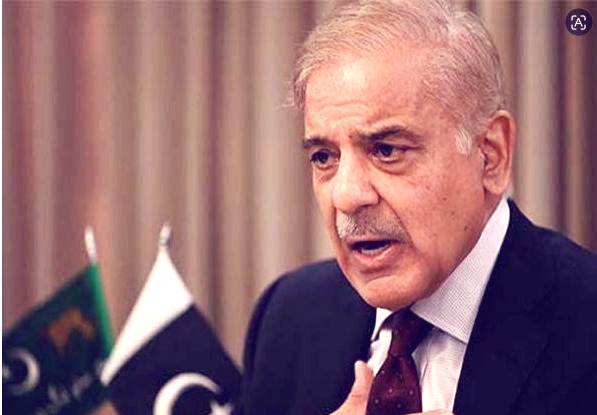
ISLAMABAD (Urdu Times) Prime Minister Muhammad Shehbaz Sharif has approved the immediate abolition of all additional austerity and fuel-saving measures, effective from March 9, 2026, along with the Public Relief Package.
The Rs 129 billion that the government saved through the emergency austerity drive is now being transferred to poor families through this relief package and social security programs like Ehsaas/Benazir Income Support.
The Government of Pakistan has introduced several financial relief measures for specific, vulnerable segments of the population in the Federal Budget 2026-27 and in the Prime Minister’s recent packages.
The main objective of these measures is to provide direct relief to the salaried class, government employees, pensioners, poor families, and farmers,
7% ad hoc relief allowance has been increased in the salaries of all federal government employees (grades 1 to 22), 7% increase in pension of retired government employees has also been approved,
71 billion rupees have been allocated in the budget to provide a roof over the heads of the low-income class.
12.1 million deserving families of the country have been given direct financial assistance of Rs. 13,000 per family through transparent digital banking.
Taxes on medicines and other essential medical supplies have been significantly reduced for the convenience of the common man.
The minimum monthly wage of a laborer in the country has been increased by 10% to Rs. 40,700.
Financial assistance is being provided to small farmers under the digital system without mortgaging land or houses.
A huge amount of Rs 262 billion has been allocated to attract youth towards agriculture, out of which Rs 125 billion will be used purely for agricultural development.
These emergency measures were implemented when petroleum products became expensive globally due to tensions between Iran and the US in the Middle East. They have now been withdrawn after economic stability and a record drop in petrol prices. According to an official notification issued by the Cabinet Division, the additional weekly holiday of Friday has been abolished, and the 5-day working week has been restored.
The order to close 60% of government vehicles has been withdrawn. The 50% cut in petrol quota for officers and ministers has been removed, and the full quota has been restored.
The emergency facility of 50% ‘work from home’ for employees has been abolished.
Basic austerity measures implemented before March 9, 2026, such as not drawing salaries of cabinet members and a ban on non-essential purchases, will continue to be in place. Despite the lifting of the additional measures, the market hours set for June 3 and 10 to save energy will remain in place. According to the Prime Minister, the government had saved Rs 129 billion through development spending and austerity campaigns. To pass these savings directly to the people, petrol has been reduced by Rs 74 and diesel by Rs 67.
The federal budget 2026-27 has included special relief measures for the empowerment of the poor, especially women, and their financial inclusion. The Prime Minister has ordered strict monitoring by the provincial governments so that the relief can be reduced in transport fares and food prices, so that it reaches the pockets of common citizens. The government has abolished Friday holidays and austerity measures.
Prime Minister Shahbaz Sharif has announced a historic public relief package for the people and has reduced the prices of petrol and diesel by a record amount.
In the wake of the fall in crude oil prices in the global market and the improvement in the economic situation in the country, the government has reduced the prices of petroleum products and transferred the relief directly to the people.
In addition to petroleum products, the government has also provided major relief packages this year.
A budget of Rs 38 billion was allocated for financial assistance to deserving families. Direct cash assistance of Rs 13,000 per family was provided to poor and deserving families during Ramadan.
The Prime Minister has issued strict instructions to the provincial governments so that after petrol becomes cheaper, the prices of daily necessities and transport fares can also be significantly reduced. The main goal of the recent relief packages issued by the government is to immediately bring the benefits of low prices of petroleum products to the lowest level and reduce inflation.
Under these packages, after a record reduction in the prices of petrol and diesel, fares have been reduced across the country. A notification has been issued to reduce the fares of public transport and wagons by 15% to 20%.
The reduction in the fares of freight vehicles and trucks has significantly reduced the cost of transporting goods to factories and markets.
On the instructions of the Prime Minister, the Deputy Commissioners of all districts have been ordered to check the new rate list themselves at transport hubs. Subsidies on Utility Stores Relief on essential commodities continues for general consumers and Benazir Income Support Program cardholders: Discount on basic commodities: 20% to 30% discount is being given on flour, ghee, sugar, pulses, and rice from the market.
Poor families can buy these cheap items by getting their identity card verified on the BISP portal. Electricity consumers consuming up to 200 units of electricity have been exempted from fuel price adjustment and additional taxes.
Work has been accelerated on a project to provide solar panels at easy installments and subsidized rates for the middle class and poor class, so that the burden of electricity bills can be reduced permanently.
Funds have been released to control the prices of urea and DAP fertilizers for Kharif crops (cotton and rice). Interest-free loans are being given to convert agricultural tube wells to solar to relieve farmers from the expense of diesel. Under the recent relief package, the government has implemented emergency measures across the country to bring the fruits of the historic reduction in petrol and diesel prices to the people. With the economic situation improving and the inflation rate falling, the federal and provincial governments have jointly focused on providing direct relief to the people. In the federal budget, the government has made a historic increase in the social security budget to provide relief to the poor, deserving, and economically weaker sections of society on a permanent basis. The main objective of social protection measures this year is to mitigate the effects of inflation and ensure the financial inclusion of women. The budget of the country’s largest social safety net has been increased from Rs 716 billion last year to Rs 838 billion. The number of families receiving assistance under the Kafalat program is being expanded from 9 million to 10.2 million (10.2 million) families. The quarterly financial assistance (Stipend) for poor families has been increased to Rs 14,500. A new system of direct wire transfer through banks and digital wallets has been implemented to prevent deductions and corruption. Under the budget 2026-27, interest-free loans are being given to low-income people so that they can start their own businesses. Billions of rupees have been allocated at the federal and provincial levels to develop a skilled workforce so that the youth can be provided with world-class technical training and employment. Free medical treatment is being provided to the poor. Funds have been released for cancer care hospitals and primary health centers to provide facilities, and the Danish School Network is being expanded to provide free and quality education to children in disadvantaged areas. A permanent fund has been established to provide immediate social protection and assistance to poor families affected by floods or other natural disasters. In the federal budget, the government has implemented a multi-pronged strategy to reduce poverty in the country and put low-income families on their feet. The main objective of this scheme is not just to provide cash assistance, but to make the poor economically self-sufficient. The government has removed financial barriers for those who want to start small businesses. Under this program, the condition of collateral of a large land or house has been removed for deserving and low-income people across the country to get loans, and it has been made digital and easy so that people in rural areas can also benefit. 120,000 youth of the country will be given free training in IT and modern digital skills. The government has allocated more than Rs 5.29 billion for this digital training project. An internship program has been launched at a cost of Rs 300 million to provide practical experience and a monthly stipend to the youth so that they can get employment immediately after completing their degrees. The target of the Kafalat program has now been extended to 12 million poorest families so that no deserving person in the country is left behind. To permanently eradicate poverty, 9.2 million children of deserving families are being given educational scholarships so that poor children can get an education and lift their families out of poverty. To relieve the poor and daily wage earners from the burden of rented houses and build their assets, the government has activated the ‘Prime Minister’s Apna Ghar Scheme’ at a cost of Rs 71 billion in the budget so that low-income earners can become owners of their own homes.